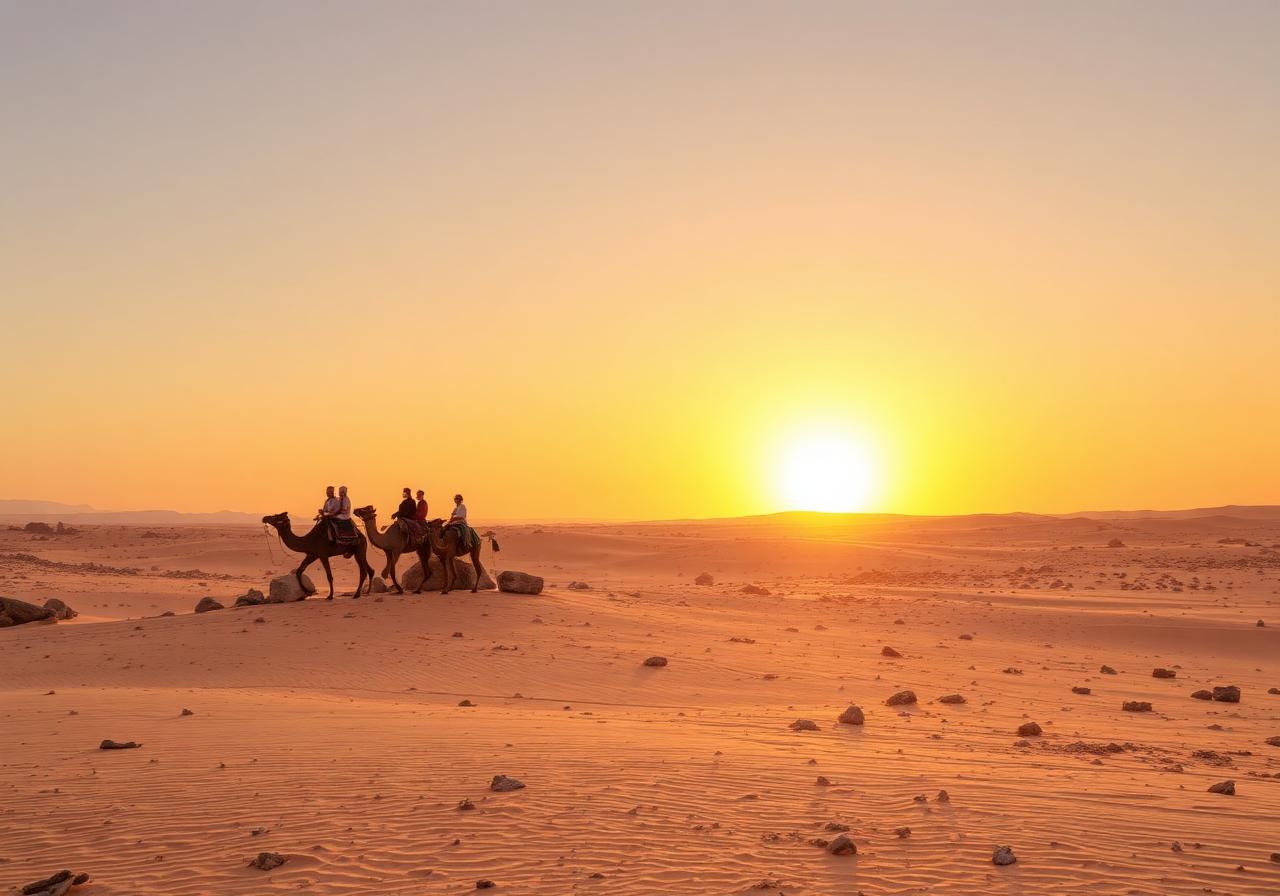
Three main options from Marrakech. Agafay (45 min): not sand but a lunar stone desert, perfect for a half-day or an overnight camp with Berber dinner and sunset. Ideal if you're short on time. Zagora (7 h): the first real sand desert, usually 2 days / 1 night. Long drive but a genuine immersion. Merzouga / Erg Chebbi (9-10 h): Morocco's most beautiful dunes, best done as 3 days / 2 nights via Aït Ben Haddou and Ouarzazate. The most memorable experience, but it takes time. On the way: Aït Ben Haddou (UNESCO ksar, famous filming location) and Ouarzazate (the gate to the desert).
Practical tips
- Agafay: leave late afternoon for sunset.
- Merzouga: 3 days minimum, otherwise skip it.
- Check what's included: 4x4, meals, camel ride, night, water.
What to avoid
- Doing Merzouga in a single round-trip day — too much driving.
- Comparing Agafay and Erg Chebbi — different landscapes.
Best time
October to April — mild days, cool nights.
Local tip
If unsure: one night in Agafay + Atlas the next day is the easiest combo.
I cannot confirm the exact price or opening hours here. Please check the official page or Google Maps before visiting.
Related places
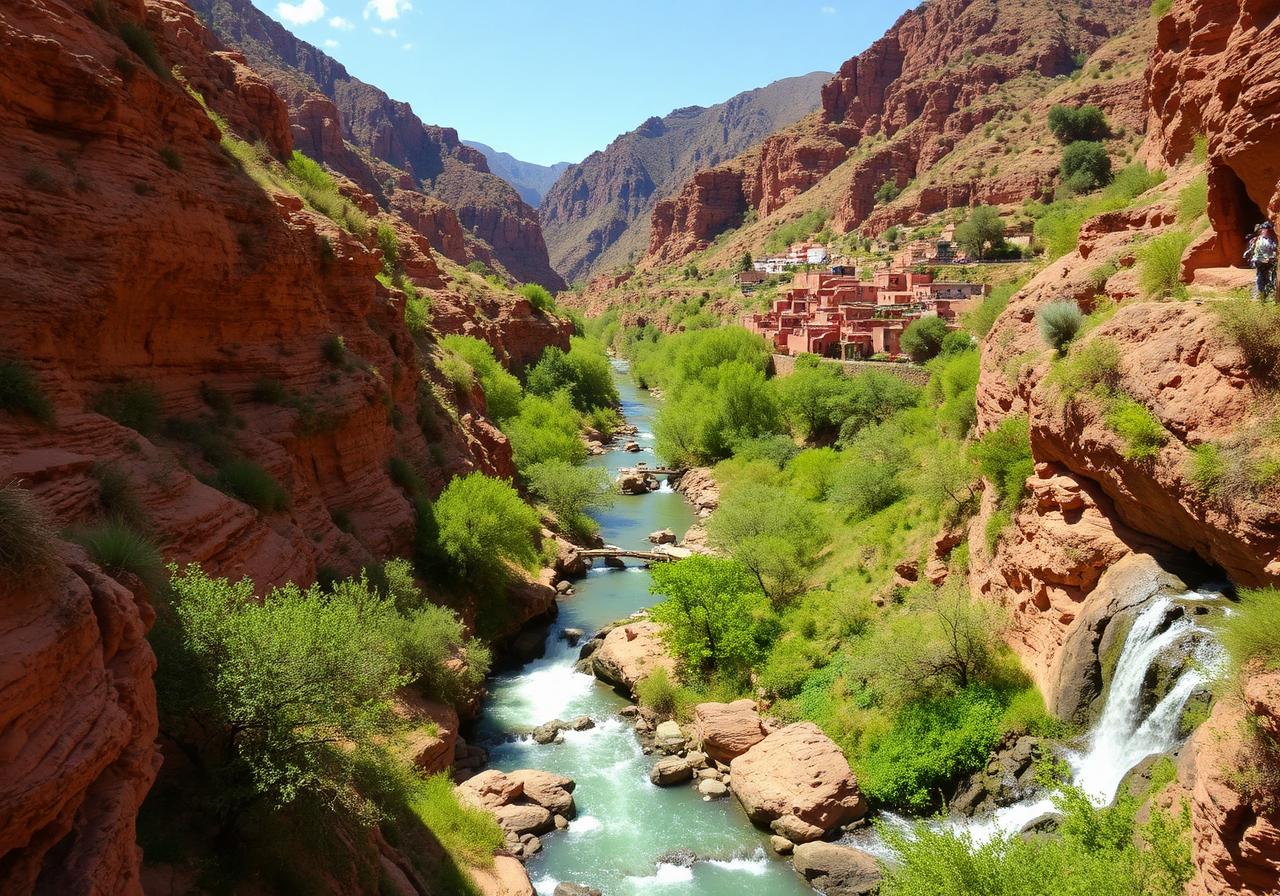
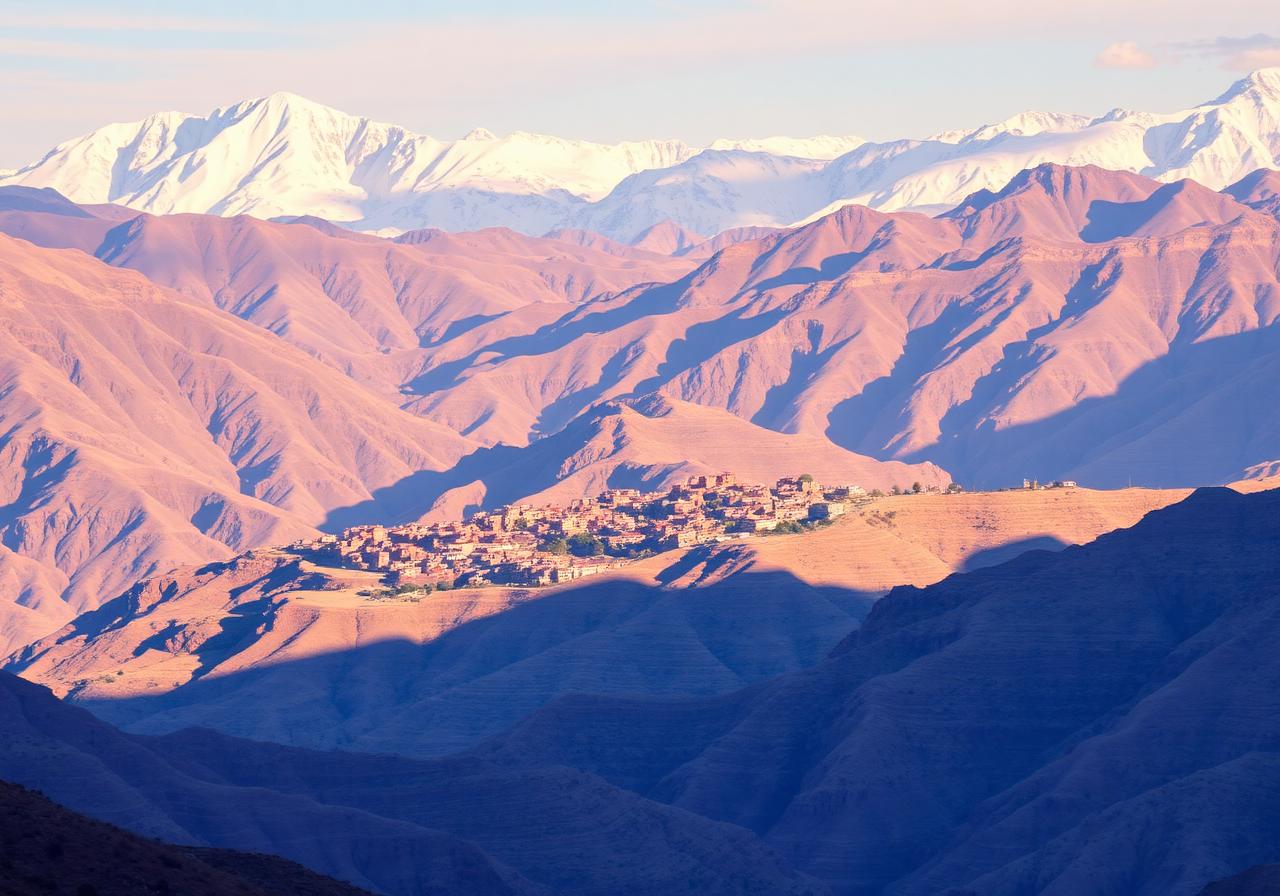
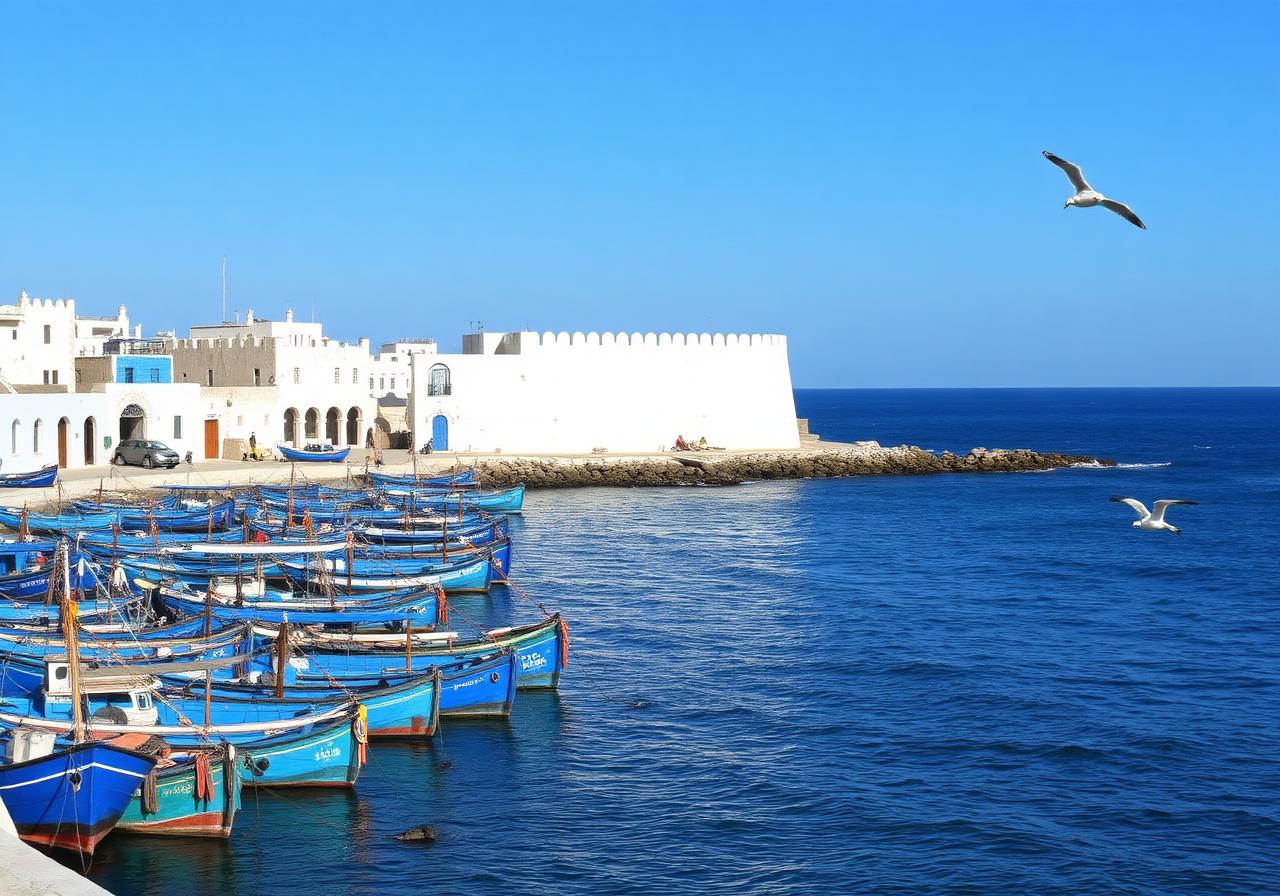
The question comes up almost every time someone plans a stay in Marrakech: which desert should I choose? The short answer is a simple rule. With only an evening or half a day free, Agafay, a stony desert roughly 45 minutes from the city, is the only realistic option. With two full days available on top of the city stay, Zagora, roughly 6 to 7 hours of driving, allows you to see genuine sand. With at least three full days, Merzouga and the Erg Chebbi dunes, roughly 9 to 10 hours of driving, become reachable, but only in that format.
The three options are not variants of the same product: they differ in landscape, in the ratio between driving time and time actually spent in the desert, and in the type of traveller they suit. This guide details those differences without contradicting the figures already given elsewhere on this page (Agafay about 45 minutes, Zagora about 7 hours, Merzouga about 9 to 10 hours over 3 days / 2 nights via Aït Ben Haddou and Ouarzazate), to help decide before booking anything.
What each option actually offers
Agafay is a plateau of stone and dry earth, not a sand desert: the landscape is mineral, with the Atlas mountains in the background on clear days. Its appeal lies in the sunset, an evening at a camp, sometimes an overnight stay, and a clear starry sky thanks to the distance from city lights, rather than the classic image of dunes.
Zagora is the first genuine sand desert reachable from Marrakech, at the gateway to the Draa valley. Its dunes are smaller and lower than those of Erg Chebbi, but the bivouac atmosphere, the silence and sunrise or sunset over the sand are genuine. Merzouga, around Erg Chebbi, offers the country's highest and most extensive dunes, a more spectacular landscape, at the cost of a much longer drive.
Driving time versus actual time in the desert
For Agafay, the drive is only a fraction of the total time: around 45 minutes each way for an evening, a half day or an overnight stay, leaving most of the time on site. For Zagora, expect roughly 6 to 7 hours of driving each way, usually spread over two days, which means a large part of the trip is spent in the vehicle, with only one real evening and one night in the desert.
For Merzouga, the drive is roughly 9 to 10 hours each way, which makes a there-and-back trip in a single night unrealistic. Realistically, plan for 3 days and 2 nights, with a stopover on the way there and back around Ouarzazate or Aït Ben Haddou: on this format the driving still takes up a large share, but it is offset by two actual nights near the dunes rather than one.
Who each option suits, and who it does not suit
Agafay suits a short stay in Marrakech, anyone who wants a desert interlude without giving up a day of sightseeing in the city, and those who would rather avoid long car journeys. It does not suit anyone looking for real sand dunes: the scenery there is mineral, not sandy.
Zagora suits anyone with at least two full days beyond the city stay who wants to see sand without going all the way to Merzouga. Merzouga suits anyone with at least three full days available who values the scale of the dunes over proximity. Neither suits a very short stay, families with young children on such long drives, people prone to motion sickness, those with reduced mobility for whom long driving days and the basic comfort of camps are demanding, or a tight time budget.
Short excursion versus a multi-night experience
A short outing, such as Agafay for an evening or half day, gives a quick taste and change of scenery without notable travel fatigue. A multi-night experience, such as Zagora over two days or Merzouga over three, changes the nature of the trip: it involves more landscapes along the way and a genuine camp rhythm with several evenings, but also more accumulated tiredness from the driving hours and heavier planning in terms of luggage and preparation.
What you actually see along the way
On the roads to Zagora and especially to Merzouga, the route crosses the Tizi n'Tichka pass in the High Atlas, with many curves at altitude, then passes through Aït Ben Haddou, a UNESCO World Heritage-listed earthen ksar, and through Ouarzazate. Towards Zagora, the road then continues along the Draa valley, with its palm groves and earthen villages. These stops are an integral part of the journey, not just the final destination.
What to ask before booking
- The type of transport: a vehicle shared with other travellers or a private vehicle, and the exact pickup point.
- What is included in terms of meals and water, and what remains the traveller's responsibility.
- Whether a camel ride or quad activity is planned, its actual duration, and whether it is included or optional.
- The type of tent (basic or better equipped) and sanitary arrangements (shared or private toilets and showers).
- Whether sufficient blankets are provided for the night, and the number of stops planned along the route.
- The size of the group and, if possible, getting this information in writing before paying anything.
Simple camps versus higher-category camps
Without pointing to a specific category or establishment, there is generally a difference between simple camps, with shared or more basic tents and communal facilities, and higher-category camps, offering more private space, more comfortable bedding and more elaborate meals. This difference in comfort usually comes with a higher price and does not fundamentally change the landscape or the route.
What to bring
- Layered clothing and a warm jacket for the night, even in summer.
- A scarf against wind and dust.
- Closed shoes, more suitable than sandals on stony or sandy ground.
- Sun protection, enough water and cash, since electronic payment is not guaranteed along the way.
- A plan for charging a phone and, for anyone prone to motion sickness, a usual remedy before the long hours of winding roads.
Seasonal effects
Summers are very hot at all three destinations, with demanding days under full sun, while nights outside summer can be genuinely cold in the desert, including at Agafay. Spring and autumn generally offer the easiest conditions, with more moderate temperatures both day and night. In winter, crossing the Tizi n'Tichka can be affected by rain, or even snow at altitude: it is best to check road conditions just before setting off rather than assume them in advance.
Fitting into a Marrakech stay
Agafay fits easily into a short itinerary, such as the 2-day or 3-day plans for Marrakech, without disrupting the city sightseeing programme. Zagora requires setting aside at least the equivalent of two full days on top of a 3-day city stay, which necessarily lengthens the overall trip. Merzouga, with its 3 days and 2 nights between the road and the desert, does not fit into a short Marrakech city break: it requires a trip planned from the outset to include the deep south.
Direct comparisons
Agafay versus Merzouga: this is not a question of better or worse, but of the nature of the desert and the time available. Agafay is mineral, close and quick; Merzouga is sandy, spectacular and far away. Choosing Agafay to save time does not give a scaled-down version of Merzouga, it is a different experience.
Zagora versus Merzouga: both offer sand, but in different proportions. Zagora requires less driving time for an already convincing result if the goal is to see dunes without aiming for the largest scale. Merzouga requires roughly double the driving time for higher, more extensive dunes; the choice mainly depends on time available, not on a hierarchy of quality.
The desert from Marrakech in a single night: this is only feasible with Agafay. Trying to condense Zagora or Merzouga into a single night means sacrificing either sleep or a substantial part of the necessary driving hours, which is not advisable.
Frequently asked questions
Can you see the Sahara in a single day from Marrakech?
No, not for genuine Saharan sand. Within a single day or evening, only Agafay, a stony desert, is reachable. Zagora and Merzouga require several hours of driving each way and cannot be done as a same-day round trip.
Is Agafay a real desert?
It is an arid, dry area, so a desert in the geographical sense, but made of stone and earth rather than sand dunes. The landscape and atmosphere are clearly different from those of Zagora or Merzouga.
Zagora or Merzouga?
It mainly depends on the time available. With two full days on top of the city stay, Zagora is realistic. With three full days or more, Merzouga offers higher, more extensive dunes, for roughly double the driving time.
Is one night in the desert enough?
For a first taste, yes, especially at Agafay or on a Zagora format of 2 days / 1 night. For Merzouga, a single night would mean spending a disproportionate share of the trip on the road relative to time on site, which is why the usual format is 3 days / 2 nights.
Is it suitable with young children?
Agafay, with its short drive, is generally easier to consider. Zagora and especially Merzouga involve many hours on winding mountain roads, which can be demanding for young children or people prone to motion sickness; it is worth assessing according to each person's age and tolerance.
How cold does it get at night in the desert?
Outside summer, nights can be genuinely cold, including at Agafay, despite mild or even warm days. Warm clothing and layers remain essential whatever season is chosen.
What should be checked before booking an excursion?
The type of transport (shared or private), what is included for meals and water, the type of tent and sanitary arrangements, whether an activity such as camel riding or quad biking is included or optional, the number of participants and stops, and the pickup point. It is best to get these details in writing before paying.
Sources and verification
Discover Marrakech is not an official site. Opening hours, prices, closures and access conditions should be checked with official sources before you travel. Recommendations reflect our own experience, separate from verifiable facts.
- Discover Marrakech — repères internes de la page
Content reviewed in September 2026. Variable information (prices, durations, availability, road conditions) should be confirmed before travelling.