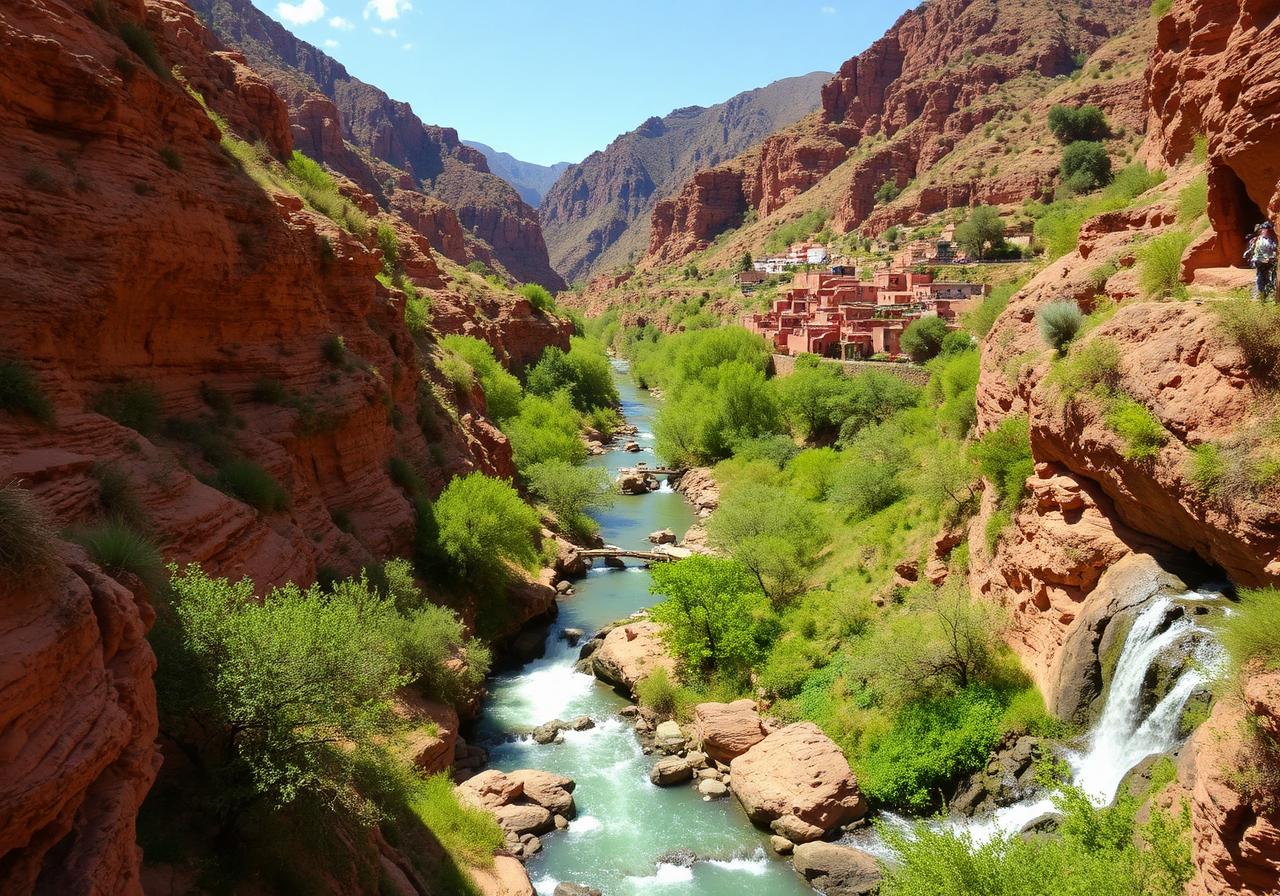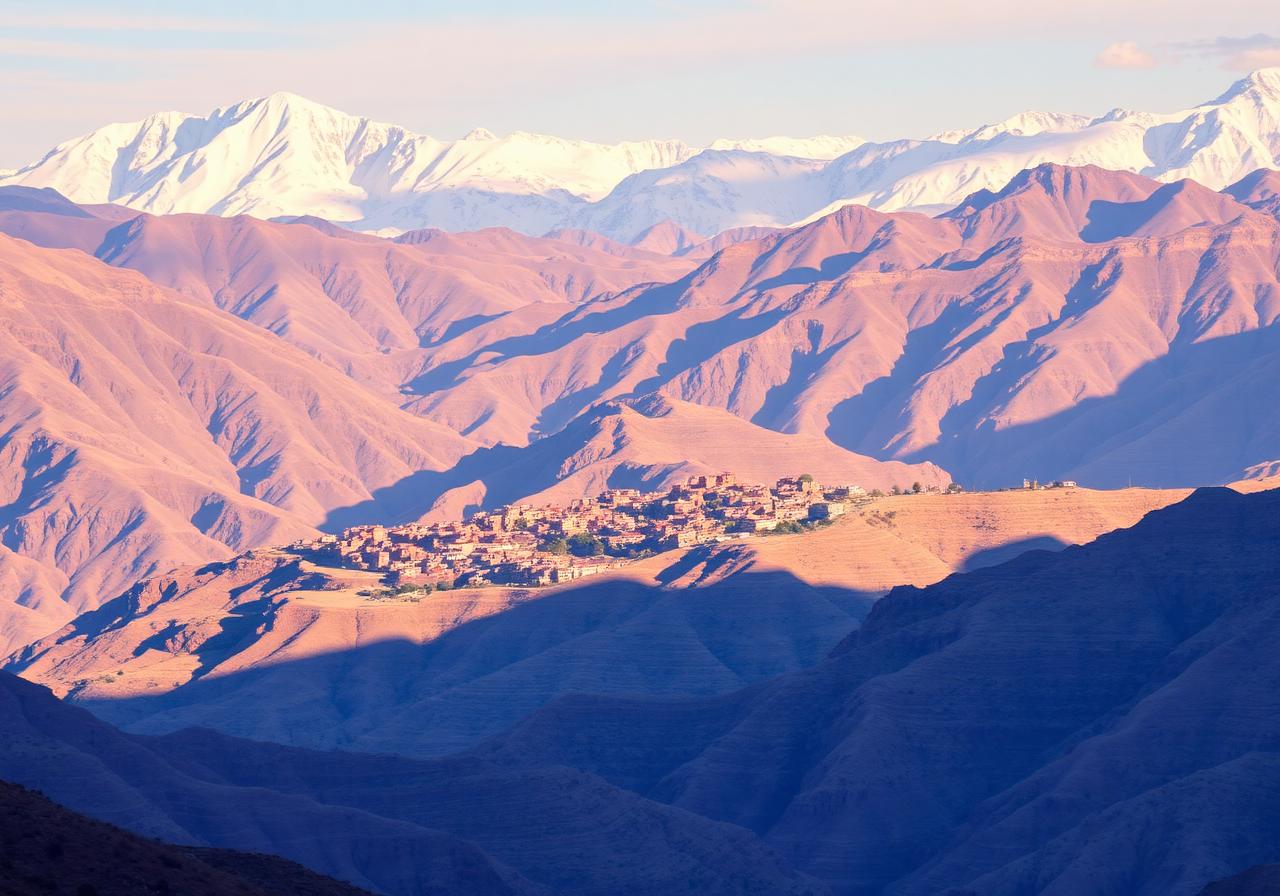
The High Atlas begins almost as soon as you leave Marrakech: after a little over an hour on the road, the landscape shifts from flat plain to steep valleys, mudbrick villages and peaks that often top 3,000 metres. For most visitors, "going to the Atlas" from Marrakech does not mean mountaineering — it means combining a mountain drive, an accompanied walk and a stop in one or two villages, all within a single day.
This guide covers the options that are realistically available as a day trip, where climbing Mount Toubkal fits in (it cannot be done in a single day), how this differs from the Ourika valley or a desert excursion, and the basic precautions linked to altitude and mountain weather.
What an Atlas "visit" actually means as a day trip
A classic Atlas day trip from Marrakech rests on three ingredients: a mountain drive with viewpoints, a walk of a few hours with a local guide, and time spent in a village to see terraced fields, mudbrick architecture and, often, a shared meal. It is not high-mountain trekking and requires no previous mountaineering experience.
The level of effort depends entirely on the option chosen: some are little more than the drive plus a short stroll, others involve several hours of walking with real elevation gain. It is worth clarifying this before booking rather than finding out on the day.
Main experience types and how demanding they are
- Scenic drive plus village stop (Imlil or the Asni valley): mostly car time, with a short walk on foot. Low effort, accessible to almost anyone.
- Guided valley walk: a few hours of walking with a local guide, on mountain paths that can be steep in places. Moderate effort, best done in proper footwear.
- Half-day mule-supported walk: part of the route is on foot and part on muleback, which lowers the physical demand while still covering the terrain.
- Village and terraces visit with a meal: a short walk, then a longer stop in a village to see the terraced crops, walnut trees and layout of the houses, often followed by a shared meal.
- Crossing the Tizi n'Tichka pass en route to Ouarzazate: a long day of mountain driving, thought of more as a stage on the way to the desert than a stand-alone excursion.
Imlil as a base: what a day there looks like
Imlil is the village most commonly used as a starting point for High Atlas excursions south of Marrakech, largely because it acts as the gateway to the Toubkal massif. In a day, you can typically wander through it, walk to a nearby village or viewpoint, pass mules used for local transport, and see the terraced fields surrounding the village.
Imlil remains a working mountain village rather than a stage set: streets are sloped, tourist infrastructure is simple, and walking distances often take longer than they look on a map because of the elevation changes. It is better to allow generous time than to plan a tight schedule.
Toubkal: what a day excursion does not include
Mount Toubkal, North Africa's highest peak at around 4,167 metres, towers above the Imlil area, but its summit is not reached on a day trip from Marrakech. A genuine ascent is a trek of at least two days from Imlil, with a night at a high-altitude refuge, an early start for the summit push, and substantial elevation gain.
According to trekking operators, a licensed mountain guide is required for hikers in the Toubkal national park area; there is no separate climbing permit. This should be confirmed directly with a licensed mountain agency before planning an ascent, as should the fitness level needed, which must account for altitude and cold nights at the refuge.
Villages, terraces and meeting mountain communities
The Atlas valleys are inhabited: mudbrick villages cling to the slopes, surrounded by irrigated terraced fields, often planted with walnut trees, apple trees or cereals depending on the season. Mule tracks remain a genuine means of transport for local people, not just a sight for visitors.
Contact with local people usually happens through the guide and, sometimes, a meal at a family home as part of the excursion. This is a brief, mediated encounter rather than an extended immersion — it remains a passing visit, and it is honest to see it that way rather than as an in-depth exchange.
Atlas mountains or the Ourika valley: how to choose
The Ourika valley is closer to Marrakech, the drive there is quicker and the tourist flow is usually heavier; the main draw is often a waterfall and riverside cafés, with relatively little walking. The valleys around Imlil and Toubkal sit higher, are quieter, and focus on walking and villages rather than one specific spot.
To decide: Ourika suits those wanting a short, easy outing with water and some buzz. The Atlas valleys suit those willing to accept a longer drive and more walking, in exchange for higher landscapes and a more rural feel.
Atlas mountains or a desert excursion: two different logics
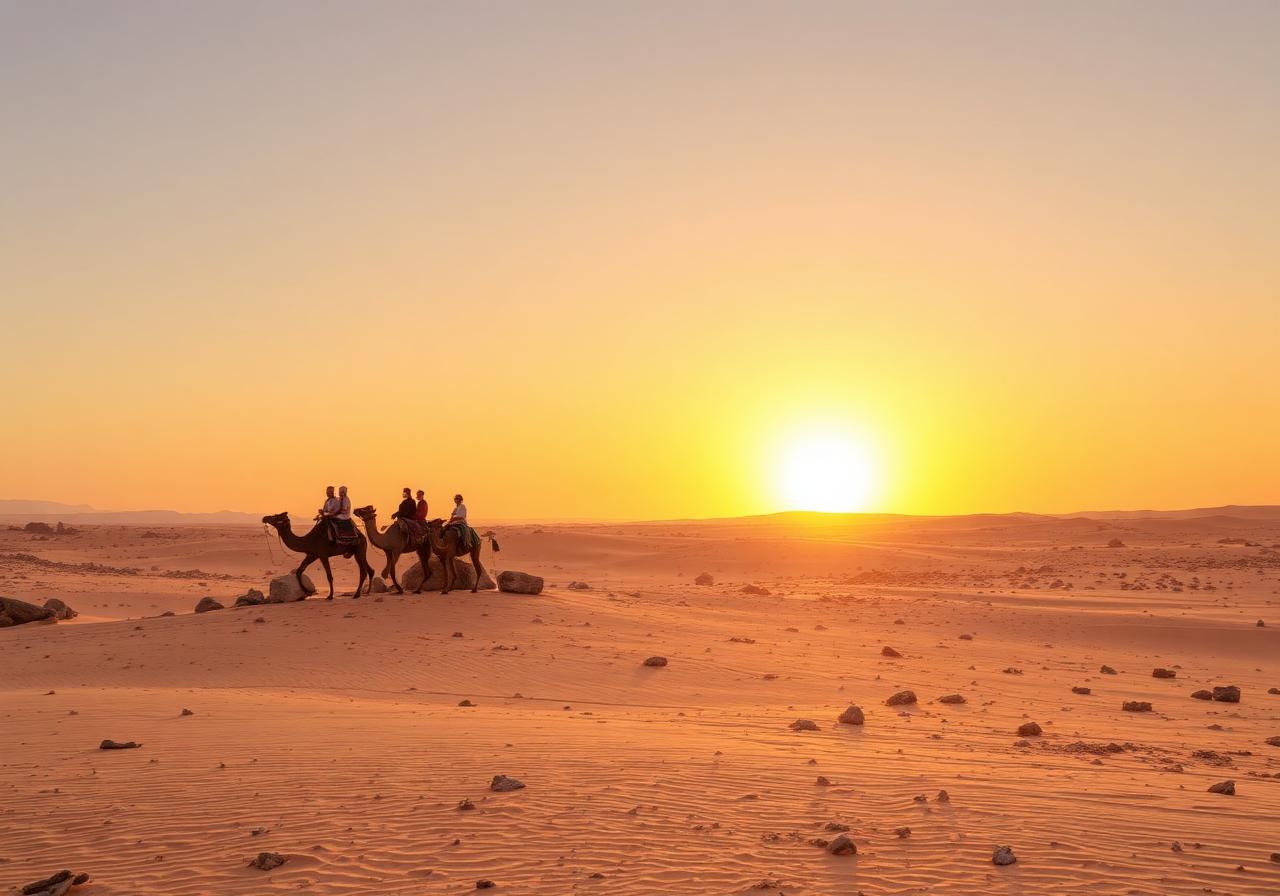
An Atlas excursion is built around the green of irrigated valleys, altitude and walking, all close to Marrakech. A desert excursion involves a much longer drive, often via the Tizi n'Tichka pass, to reach arid landscapes and dunes; the appeal lies more in the road trip itself and the change of scenery than in mountain walking.
Season, weather and what to bring
In winter, snow can cover the peaks and sometimes affect certain high-altitude trails; spring and autumn generally offer milder, more pleasant walking conditions. In summer, valley floors can get hot while the air stays cooler higher up, and the day-night temperature swing remains marked year-round in the mountains. Weather can change quickly at altitude: these are general trends to check before setting off rather than assumptions to rely on.
What to bring: closed shoes with good grip (no sandals), several clothing layers to handle temperature swings, sun protection, enough water, and some cash in small notes for any purchases in the villages.
Who this trip suits, and who can skip it
This trip suits anyone wanting to get out of the city, walk a little and see a different, rural side of Morocco, without aiming for a sporting achievement. It calls for reasonable fitness for the longer-walk options, tolerance for winding roads, and acceptance of simple comfort levels in the villages. It suits less well anyone hoping to swim, anyone with significant mobility limitations, or anyone expecting to reach a summit in a day: those expectations do not match what a classic excursion offers.
Frequently asked questions
Can I summit Mount Toubkal on a day trip from Marrakech?
No. Reaching the summit is a trek of at least two days from Imlil, including a night at a refuge. A day trip lets you get close to the area and walk in the valleys, not reach the top.
Do I need a guide to walk in the Atlas Mountains?
For a simple stroll around a village, a guide is not always essential, though it is recommended. For a trek toward Toubkal or within the national park, operators state that a licensed mountain guide is required — confirm this directly with a licensed agency.
Atlas or the Ourika valley, which should I choose?
Ourika, being closer, suits a short, easy outing centred on a waterfall. The Atlas valleys suit those willing to accept more driving and walking in exchange for higher landscapes and a more rural feel.
Is this a physically demanding excursion?
It depends on the option: a drive with a brief village stop takes no particular effort, while a walk of several hours with elevation gain calls for reasonable fitness and proper footwear. It is worth checking the exact level before booking.
Is there snow, and when does it matter?
In winter, snow can cover the peaks and affect some high-altitude trails, which may limit or change planned walks. Conditions vary from year to year, so check with the organiser before travelling in that season.
Is this doable with children?
Options with a drive and a short village walk generally suit families with children who walk comfortably. Longer walks with elevation gain, or getting closer to Toubkal, are better suited to older, fitter children — discuss this with the organiser when choosing the option.
Sources and verification
Discover Marrakech is not an official site. Opening hours, prices, closures and access conditions should be checked with official sources before you travel. Recommendations reflect our own experience, separate from verifiable facts.
- Parc National du Toubkal — informations générales
- Opérateurs de trekking dans le Haut Atlas — exigences de guide
Content reviewed in September 2026; variable information (exact routes, prices, road and snow conditions, operators) should be reconfirmed before travelling.
I cannot confirm the exact price or opening hours here. Please check the official page or Google Maps before visiting.