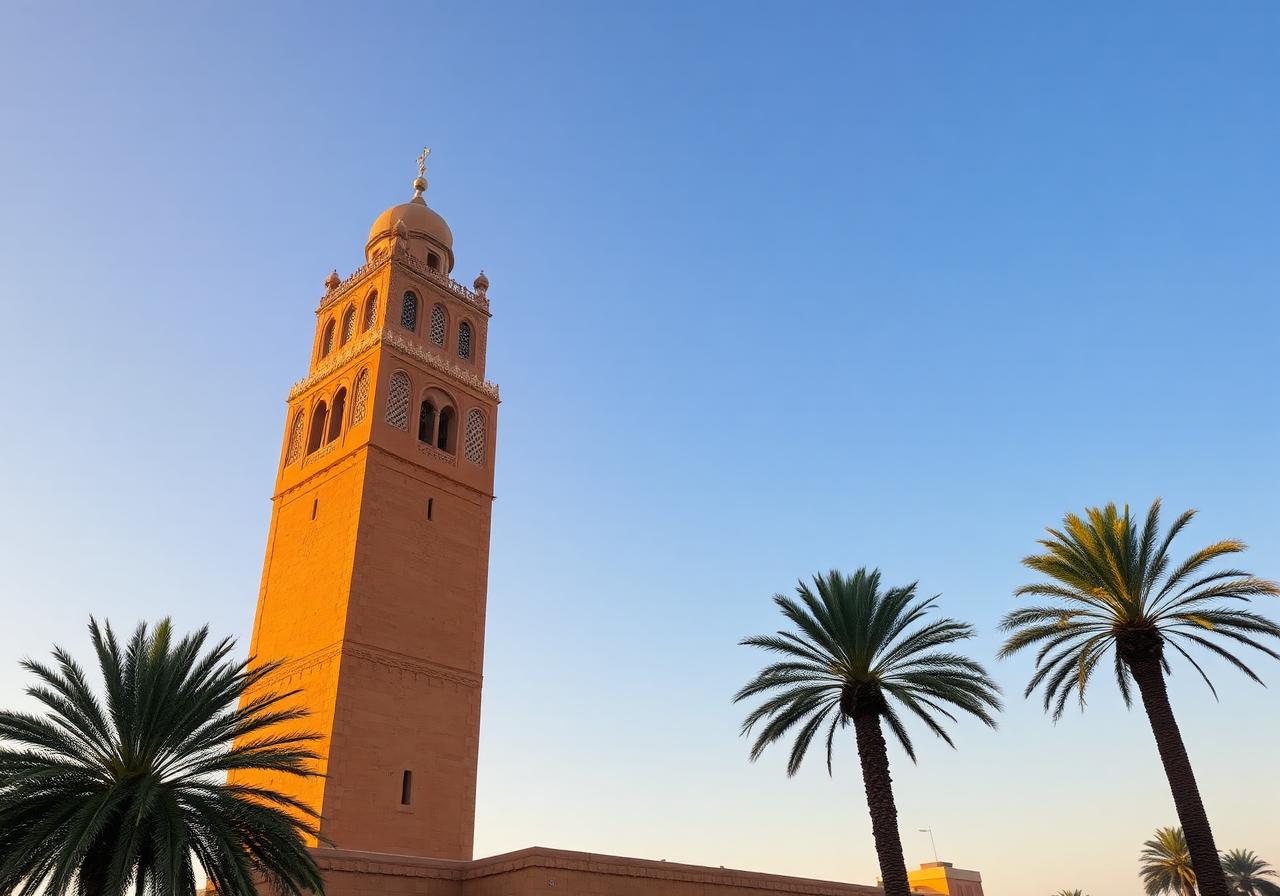
Jemaa el-Fna is the large open square at the heart of Marrakech's medina, just steps from the Koutoubia mosque. It isn't a monument in the classical sense: it's a living space, shaped day after day by residents, traders and visitors who cross paths there. Its shape and use have changed little over the centuries, even though the activity that fills it shifts with the hours of the day.
Recognised by UNESCO as an Intangible Cultural Heritage of Humanity, Jemaa el-Fna is valued for the oral and craft traditions it hosts: storytellers, musicians, traditional healers and small trades passed down from generation to generation. This recognition applies not to the square as a physical place but to the know-how and traditions that continue to be expressed there.
The daytime atmosphere: trade and everyday life
In the morning and afternoon, Jemaa el-Fna is quieter and more functional. You'll find fresh orange juice sellers, dried-fruit stalls, snake charmers and, on some days, monkey handlers, along with horse-drawn carriages parked at the edges. It's also a natural crossing point between the Koutoubia mosque and the entrance to the souks, which makes it an easy landmark for orienting yourself in the medina.
It's also the best time to take in the square without the density of the evening crowd, capture wide photos of the surrounding architecture, and identify the streets leading off it, notably toward the souks to the north and the Koutoubia to the southwest.
The transformation at dusk
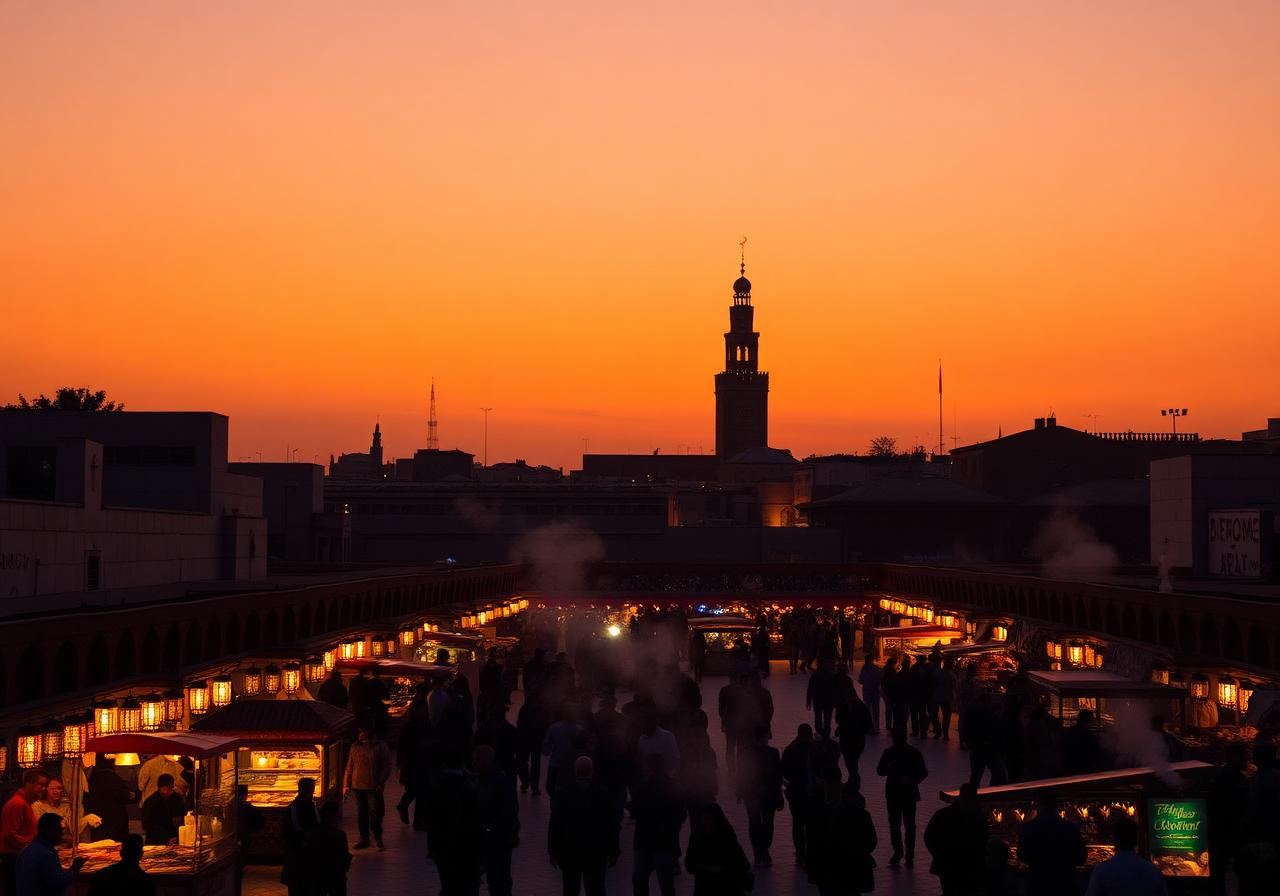
As the afternoon progresses, the square gradually fills up. Mobile stalls begin to appear, gnaoua musician groups grow larger, and visitor numbers rise noticeably as sunset approaches. This shift between daytime and nighttime rhythm is one of the most distinctive moments at Jemaa el-Fna.
Night food stalls and open-air dining
After dark, dozens of numbered food stalls set up in the centre of the square, serving freshly cooked Moroccan dishes: grilled skewers, soups, snails, tagines and pastries. Each stall has its own style of service and regular customers; it's common to compare a few stalls before sitting down. Prices aren't always displayed the same way from one stall to another, so it's worth asking clearly before ordering.
Best time to visit and how long to stay
- Late morning or early afternoon: a calmer atmosphere, ideal for observing and taking photos.
- Just before and during sunset: a lively transition moment, often sought out for its atmosphere.
- In the evening to dine at the food stalls and take in the entertainment: this is the busiest time.
- Allow at least thirty to forty-five minutes for a first visit, and considerably longer if you plan to dine there or linger after sunset.
How to get there
From the Koutoubia, Jemaa el-Fna is only a few minutes' walk away, as the two sites are practically neighbours. From the medina's central alleys, the square remains the simplest landmark: most pedestrian routes through the souks naturally lead back to it. From Guéliz, the distance is greater and is usually covered by petit taxi or a ride-hailing app; it's advisable to confirm the fare or make sure the meter is used before setting off, as prices can vary depending on conditions.
Using the square to find your way around the medina
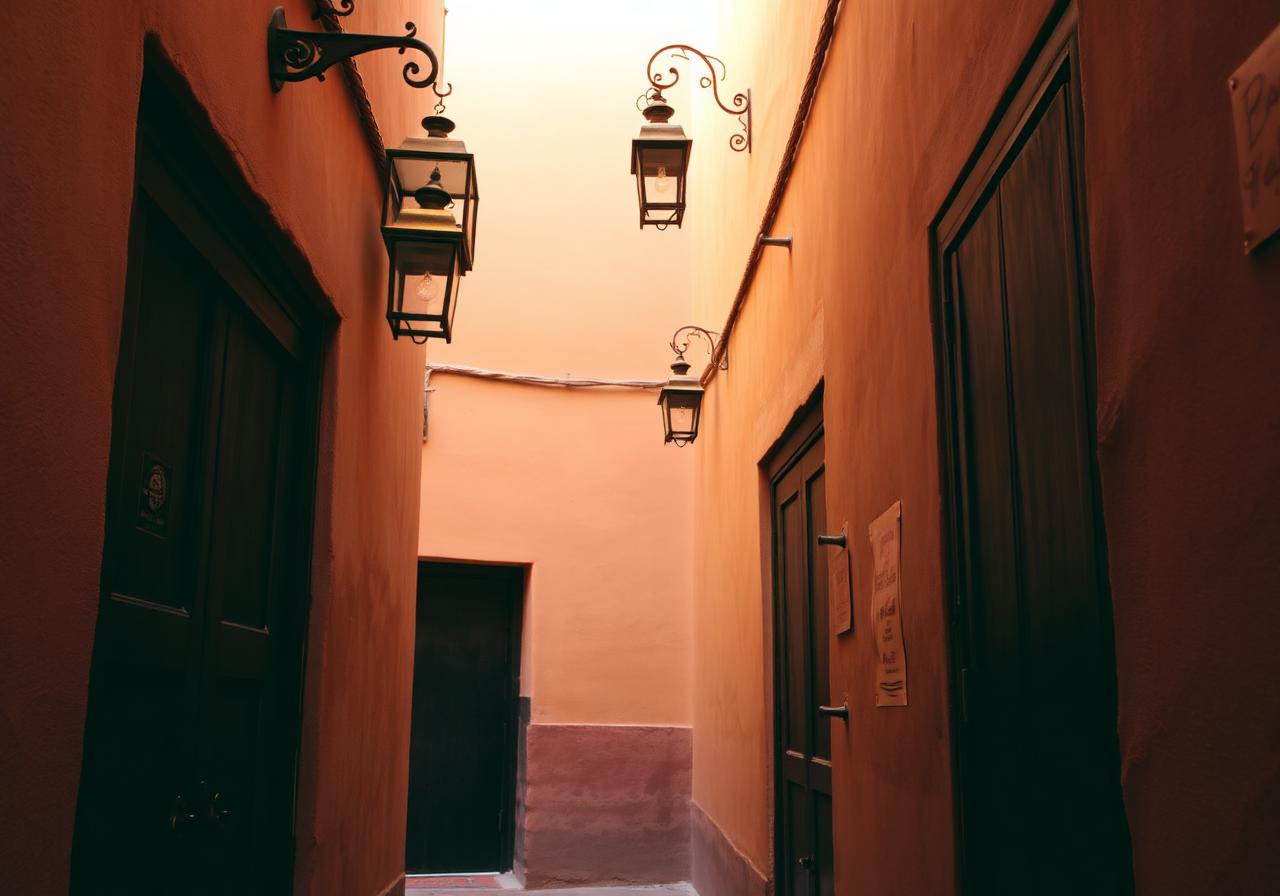
Jemaa el-Fna works as a practical reference point for exploring the medina without getting lost. The souk alleys branch off to the north, the Koutoubia lies to the southwest, and it's often enough to retrace your steps back to the square to find your bearings if in doubt. This central landmark is particularly useful on a first visit to the district.
Rooftop terraces and elevated viewpoints
Several cafés and establishments overlooking the square have upper-floor terraces offering a panoramic view of the activity below, particularly sought after at sunset. Without recommending any specific address, it's worth knowing that these terraces generally require a purchase and fill up quickly toward the end of the day; arriving a little before sunset improves your chances of finding a spot.
Visiting with children
- The noise and crowd density in the evening can feel intense for young children; a daytime visit is often more comfortable with them.
- The ground of the square is uneven in places; a stroller can be difficult to manoeuvre, especially in the evening when the stalls narrow the walking space.
- Keep children close in the dense evening crowd and agree on a visible meeting point in case you get separated.
Accessibility and ease of movement
The square itself is a large, generally flat open space, but its packed-earth surface can become slippery after rain and uneven in places. The surrounding area, however, mixes narrow pavements with horse-drawn carriages and scooters, which calls for extra care for people with reduced mobility or using a wheelchair. In the evening, the density of the crowd and stalls further reduces the space to move around.
Photos, performances and unsolicited services: a few precautions
As in any place frequented heavily by visitors, some street performers, animal handlers or intermediaries offer photos or services insistently and may later ask for payment. It's prudent to ask clearly about the price before accepting a photo, a performance or a service, and to stay firm and polite in case of disagreement. This ordinary caution shouldn't turn the visit into a source of worry: it's simply common sense to apply in any busy public space.
What to see nearby
- The Koutoubia mosque and its minaret, a few minutes' walk southwest of the square.
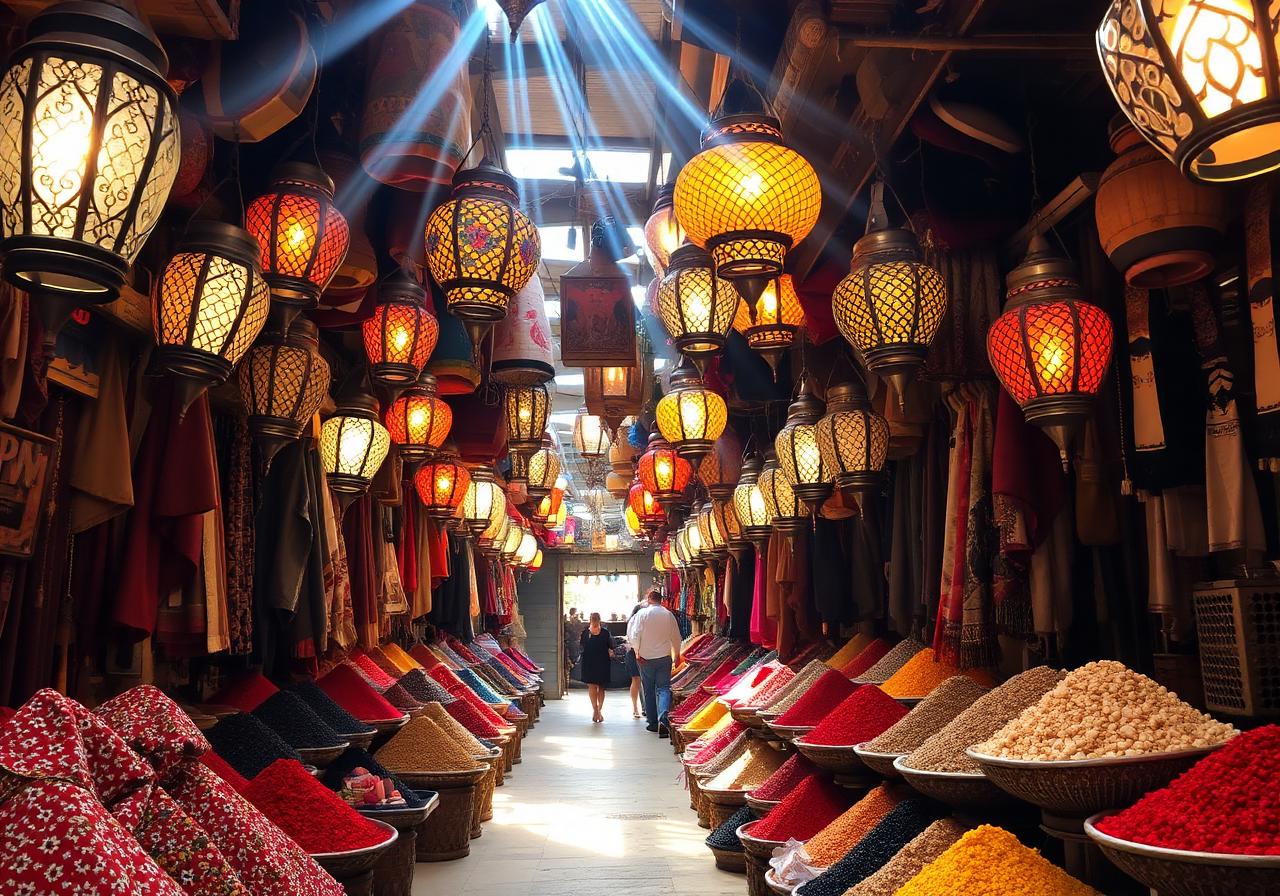
- The souks, which begin just north of the square and lead into a network of market alleys.
- The rest of the medina, including the Bahia palace further to the southeast, best explored by wandering rather than in a straight line.
Common mistakes to avoid
- Visiting only once, in the evening: this means missing the very different daytime atmosphere.
- Accepting a photo, performance or service without asking the price beforehand.
- Rushing across the square without lingering nearby, when the neighbouring alleys and surrounding rooftops are part of the experience.
Frequently asked questions
Is it better to visit Jemaa el-Fna during the day or at night?
Both times complement each other: the daytime offers a calmer atmosphere suited to observation, while the evening reveals the food stalls and a livelier scene. Ideally, visit once during the day, then return around sunset.
What is there to do in and around Jemaa el-Fna?
You can watch storytellers and musicians, dine at the night food stalls, go up to a terrace for an overview, then extend the visit toward the souks to the north or the Koutoubia to the southwest, two natural continuations of the square.
What is the best time to see Jemaa el-Fna?
Sunset is often considered the most striking moment, as it marks the shift between the daytime atmosphere and the nighttime activity. It remains useful to check sunset times for the season before planning your visit.
How do you get to Jemaa el-Fna from Guéliz?
The distance between Guéliz and the medina is usually covered by petit taxi or a ride-hailing app, as walking is longer and less direct. It's advisable to confirm the fare or the use of the meter before setting off.
Is Jemaa el-Fna suitable for children?
The square can be visited as a family, especially during the day when the atmosphere is calmer. In the evening, the density of the crowd and the noise call for extra vigilance, particularly to keep young children close by.
Is Jemaa el-Fna a safe place?
Like any busy public space, the square calls for ordinary care: keeping an eye on belongings in the crowd, clearly agreeing on any service before accepting it, and staying alert in the evening when density increases. There's no absolute guarantee in a lively public place, but these simple precautions are usually enough to enjoy the visit with peace of mind.
Read next
Sources and verification
Discover Marrakech is not an official site. Opening hours, prices, closures and access conditions should be checked with official sources before you travel. Recommendations reflect our own experience, separate from verifiable facts.
- UNESCO – Patrimoine culturel immatériel, Espace culturel de la place Jemaa el-Fna
- Conseil régional du tourisme de Marrakech
- Ministère du Tourisme, de l'Artisanat et de l'Économie sociale et solidaire du Maroc
Last editorial review: August 2026
Estimated duration · About 75 seconds
I cannot confirm the exact price or opening hours here. Please check the official page or Google Maps before visiting.